
Hellos and greetings from a tired but content super speechie.
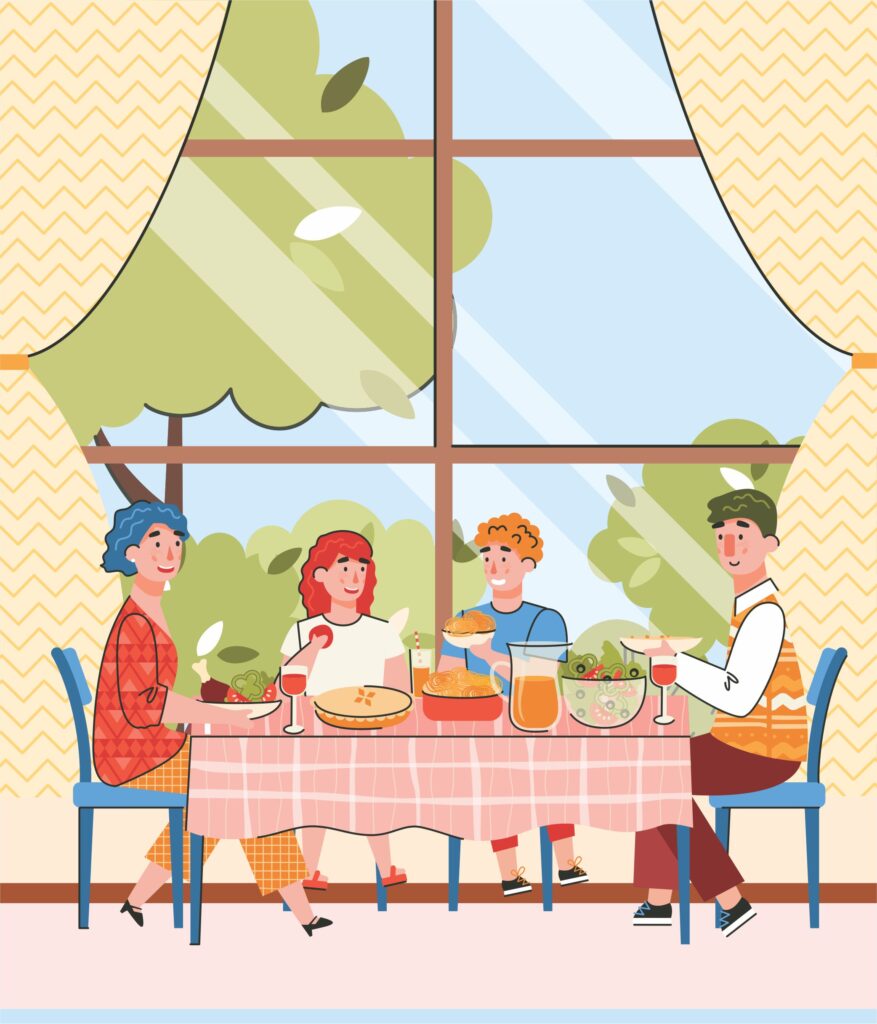
As 2025 slows down I wanted to reflect on a recent Sunday morning outing. I had the pleasure and privilege of joining one of the families I’ve supported as a speech and language therapist for the past seven years for breakfast out at a local restaurant. Their son, my long-time client, greeted the morning with his gentle presence, his younger sister’s lively chatter added to the warmth, and Kylo—their devoted autism support dog—accompanied us, ever watchful and calm at our side.
Stepping into the restaurant, I was touched by how warmly we were received. The staff greeted us with genuine smiles, and Kylo was welcomed without hesitation, his presence a quiet reassurance for our table.
It can sometimes be daunting to bring a child with special needs, and an assistance dog, into public spaces; concerns about stares, misunderstandings, or even refusals are real. But on this morning, there was only acceptance—a gentle reminder of the way all public spaces should accommodate every member of our society.
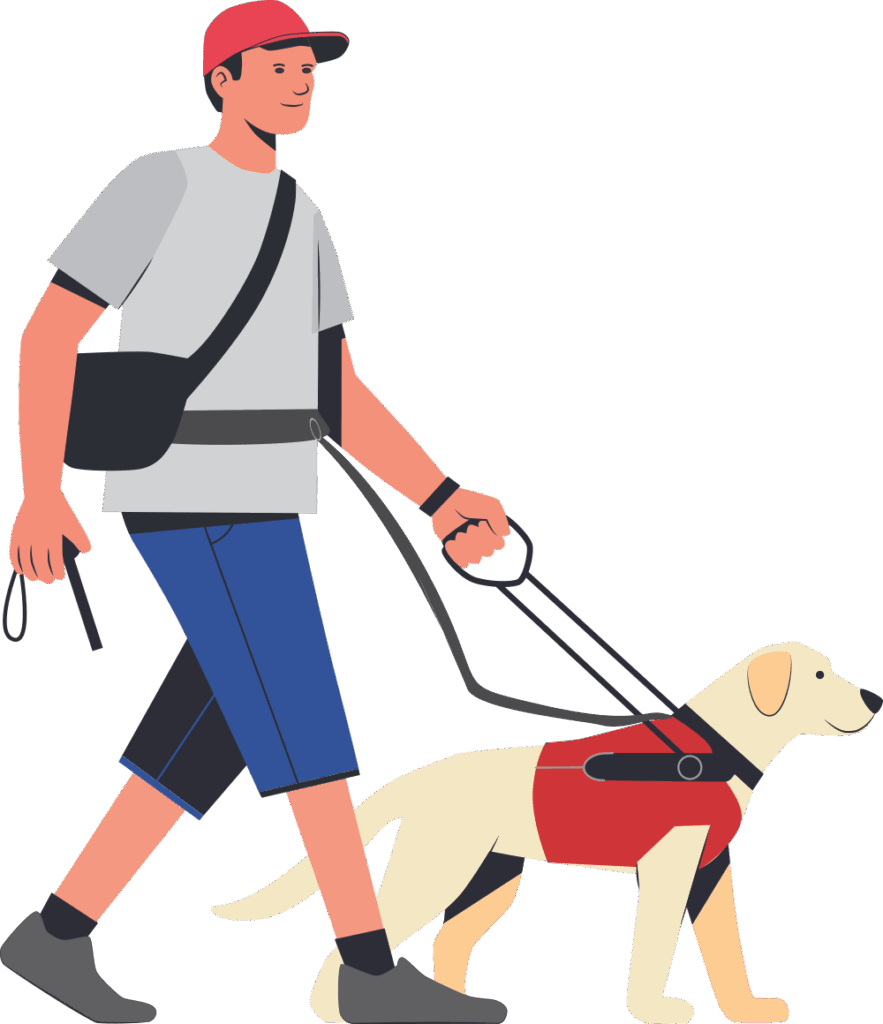
It’s important to remember that assistance dogs are not solely for people who are blind or visually impaired. Guide dogs, like Kylo, are also trained to support autistic individuals, providing comfort, a sense of routine, and sometimes even acting as a bridge for social interaction. In most provinces, public spaces—including restaurants—are required by law to allow access to all certified assistance dogs. This includes guide dogs for autism, and service dogs for people with other disabilities. Staff and patrons should understand that these dogs are working, and their presence is not only permitted but protected under accessibility regulations.
We gathered around our table, the atmosphere filled with the comforting aromas of breakfast and the gentle hum of other families. What struck me, beyond the delicious food and easy laughter, was the genuine sense of inclusion. Yet, as anyone who walks this journey knows, what appears effortless is often the result of immense, continuous effort, quietly woven into the fabric of daily life. For families with a child with special needs, even a simple meal out involves planning, advocacy, and a hopeful leap of trust in the understanding of others.
Their son, predominantly non-speaking and a gestalt language processor, has taught me more about communication, patience, and connection than I could ever put into a therapy plan. Throughout breakfast, I watched him interact in his own unique ways—through fleeting smiles, a shared glance, or the rhythmic tapping of his fingers on the table. Each gesture, each moment of connection, was a small triumph—one of many that have accumulated over our seven years together.
His younger sister moved effortlessly between conversation and play, her curiosity and compassion shining through. Kylo, always attentive, offered comfort and routine—a steady presence that grounded us all and made the public space feel just a little more like home.
For those looking in from the outside, it might seem as though this family moves through life with a kind of practiced grace. But beneath that grace is a daily commitment: to understanding, to adjusting, to advocating, and to creating a space where everyone’s voice and needs are honoured. It requires navigating a world that doesn’t always accommodate difference, and doing so with hope and humility.
I am continually inspired by how this family meets each day. Their love is steadfast, their resilience quietly profound. They have created a home—and, on this day, brought it with them to the world—where their son is celebrated as he is, where communication is not measured in words alone, and where everyone, including the therapist who sometimes joins for breakfast, belongs.
If there’s one message I hope you take away, it is that families like these deserve not just admiration, but active support. Their strength should never be mistaken for the absence of challenge. And above all, our society must move toward true acceptance—where neurodiversity is embraced, all ways of communicating are valued, and every family feels seen and welcomed, wherever they go.
To my client, his family, his sister, and Kylo, thank you for inviting me into your Sunday morning and into your world. May we all strive to create communities where everyone—including every assistance dog—has a place at the table.
Your Super Speechie
Priya
Are you interested in an Autism Support Dog?
If you would like more information on Autism Support Dogs and how you can apply for them , please go to the Guide Dogs South Africa website, via the links below: